KDB.AI
Drove +19% activation by designing the Developer Interactions Framework and removing pre-activation blockers for KX's AI vector database.
00
Problem
KDB.AI had no design foundation and no user research baseline. Developers were dropping off before reaching product value, not because the product was weak, but because the path to value was invisible.
Solution
I defined two developer personas, built a Developer Interactions Framework adopted company-wide, and redesigned onboarding, guidance, and pricing clarity to eliminate activation blockers. Result: +19% activation rate, reduced support escalations, and a framework that scaled to other KX products.
My Role
Senior Product Designer on KDB.AI, KX’s AI vector database. Reported to Head of Design and CPTO; owned research, design strategy, and UI delivery end-to-end.
The Challenge
KDB.AI entered the developer market with no design language or research baseline. Developers hit activation blockers before reaching product value.
No visibility into where developers were dropping off
No pricing clarity to encourage trial
q language learning curve blocked new users before they could build anything
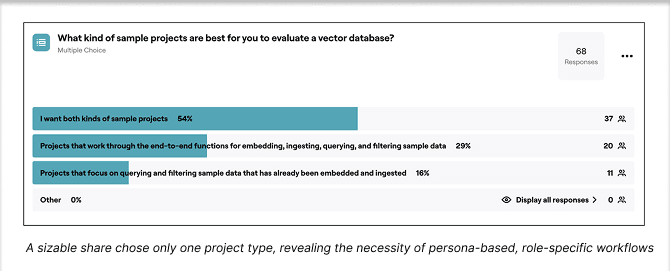
Two developer personas defined through interviews, surveys, and analytics: Data Builders and Analysts
Discovery
Four parallel research streams grounded the work before I designed anything:
Customer interviews with developers, data scientists, and front-office users
Surveys and desk research to validate the user landscape
In-product analytics to locate drop-off points between sign-up and activation
Cross-functional workshops with TAMs, Product, Engineering, and DevRel
The output: two distinct personas with overlapping and diverging needs. Data Builders (embedding, ingesting, building applications) and Analysts (querying and exploring). These became the lens for every design decision and drove PM roadmap prioritization in Aha.
What I Built
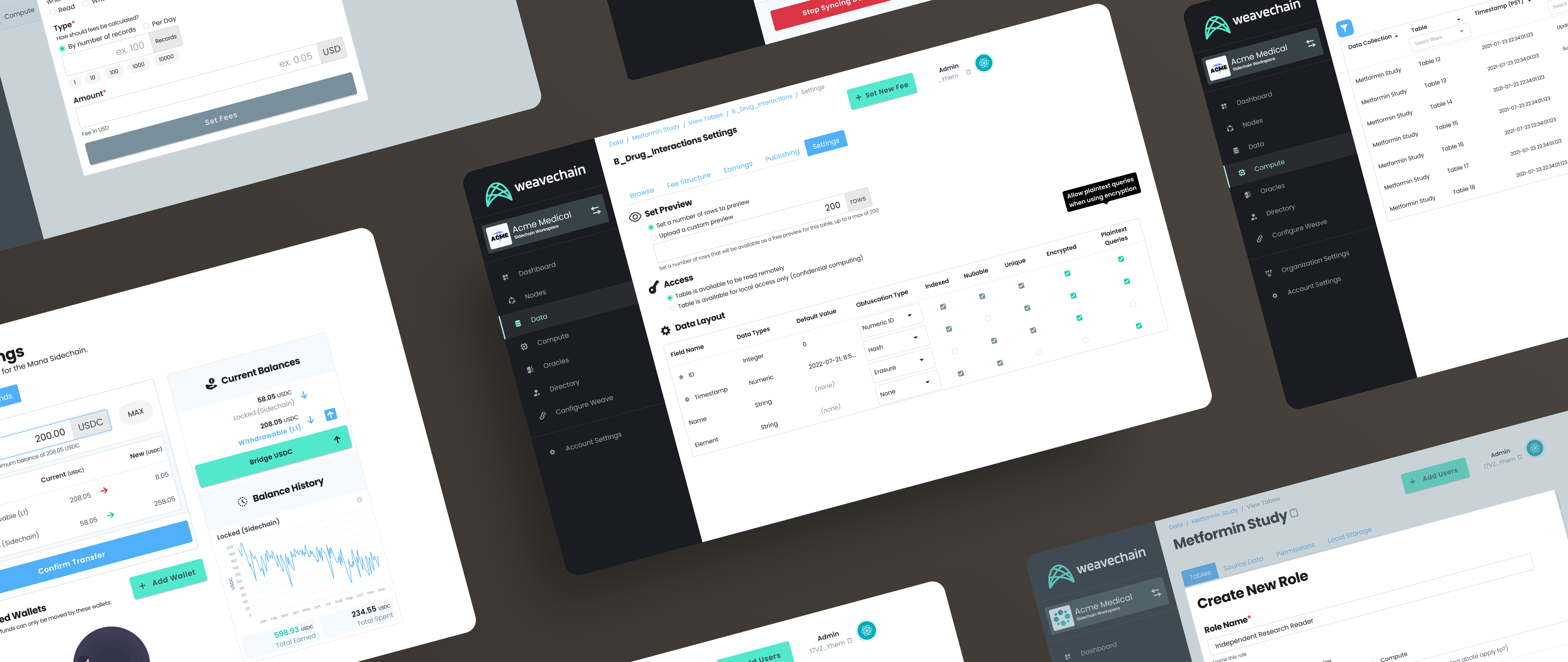
Developer Interactions Framework: codified design principles adopted company-wide
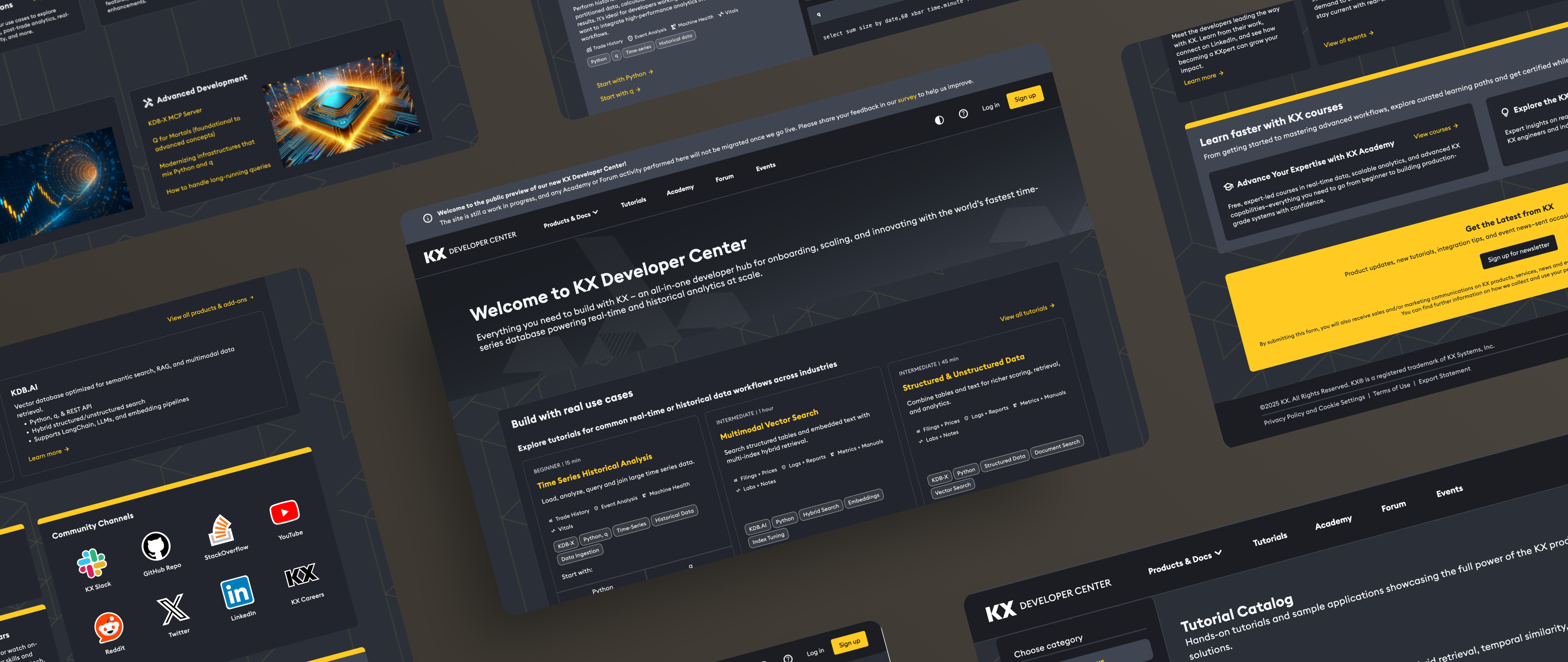
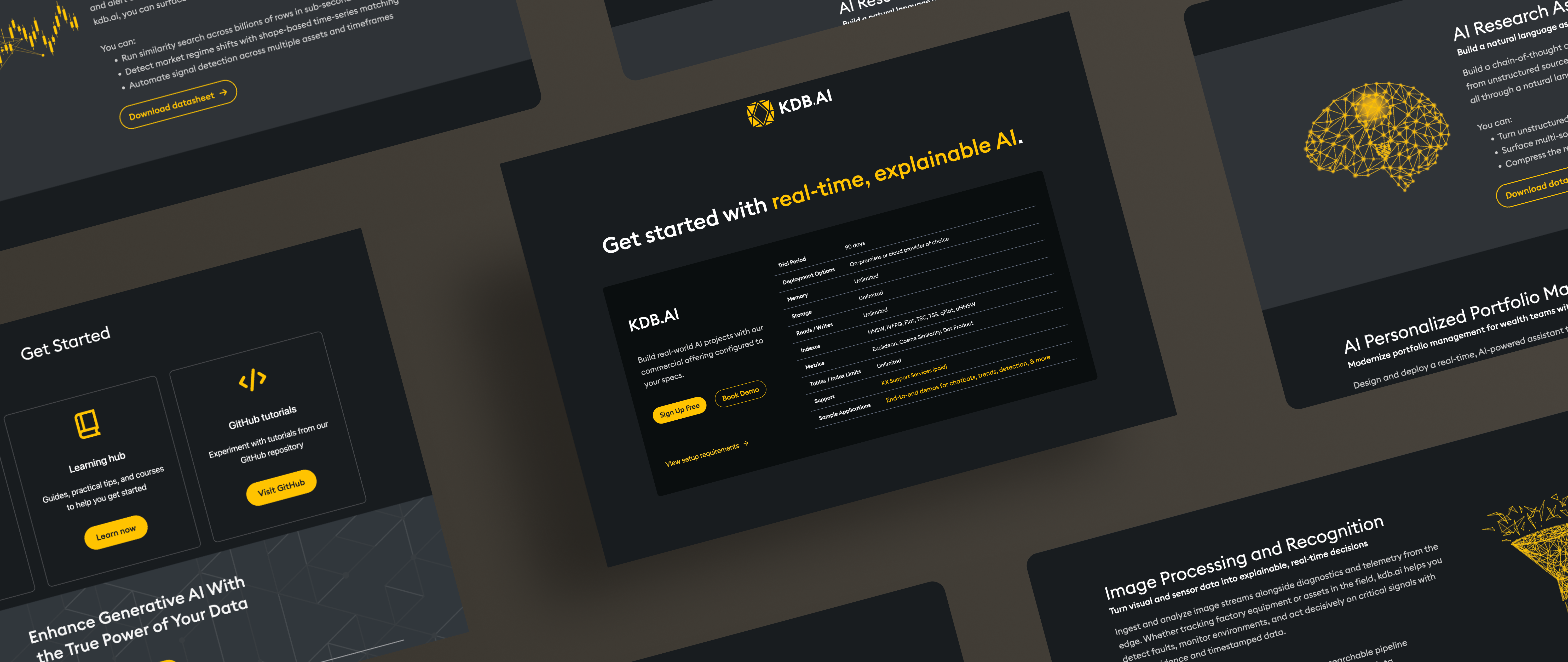
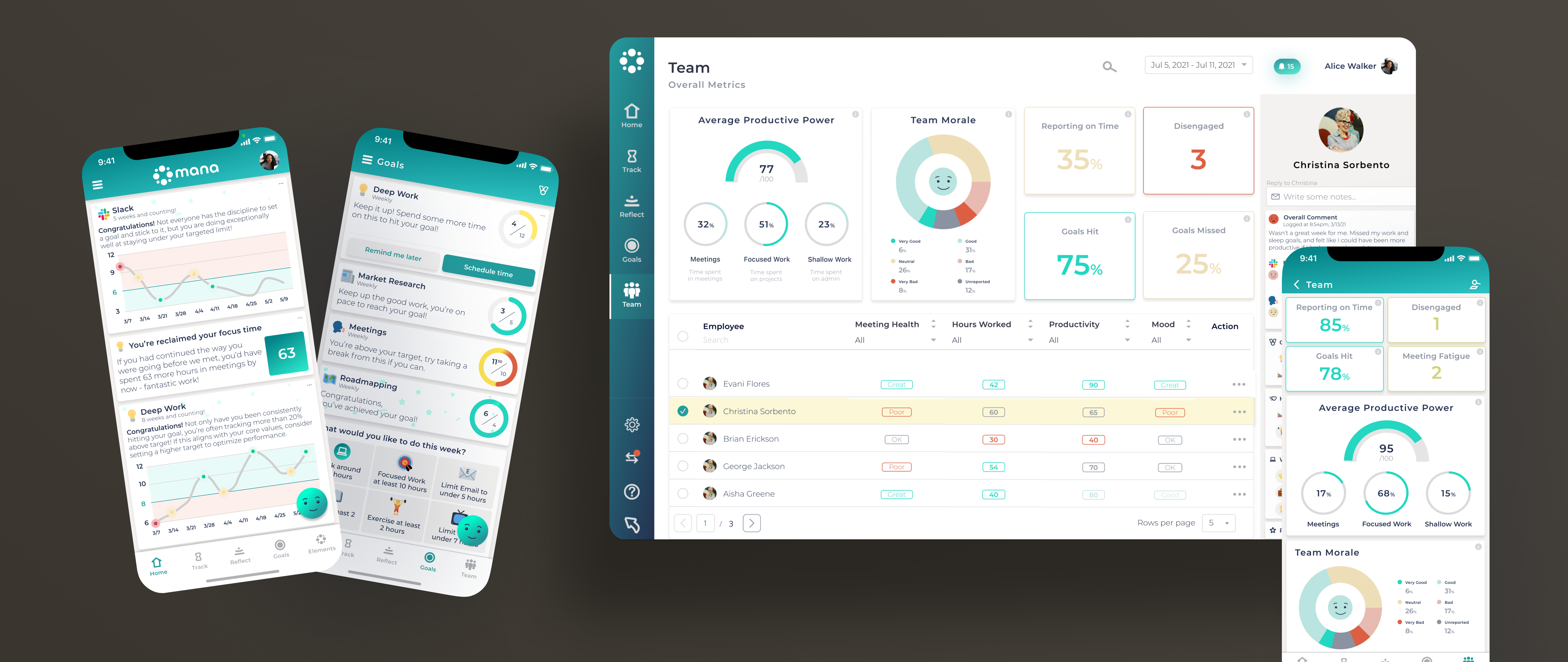
Onboarding & guidance system: tutorials, pricing transparency, and learning resources
Dynamic pricing calculator: AI-driven prototype using telemetry to recommend tiers
Q coding agent: prototype reducing debugging time and providing language guardrails
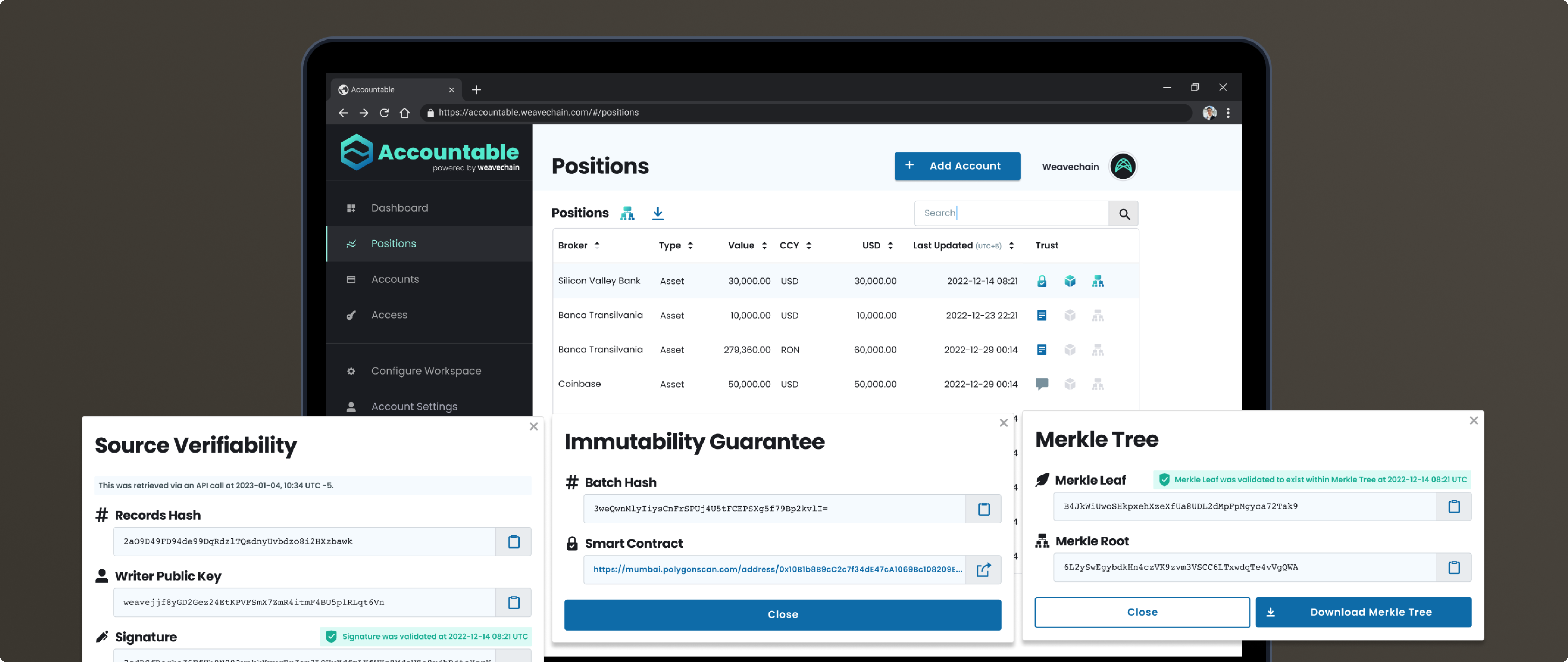
API parity redesign: consistent patterns across Python, q, and REST
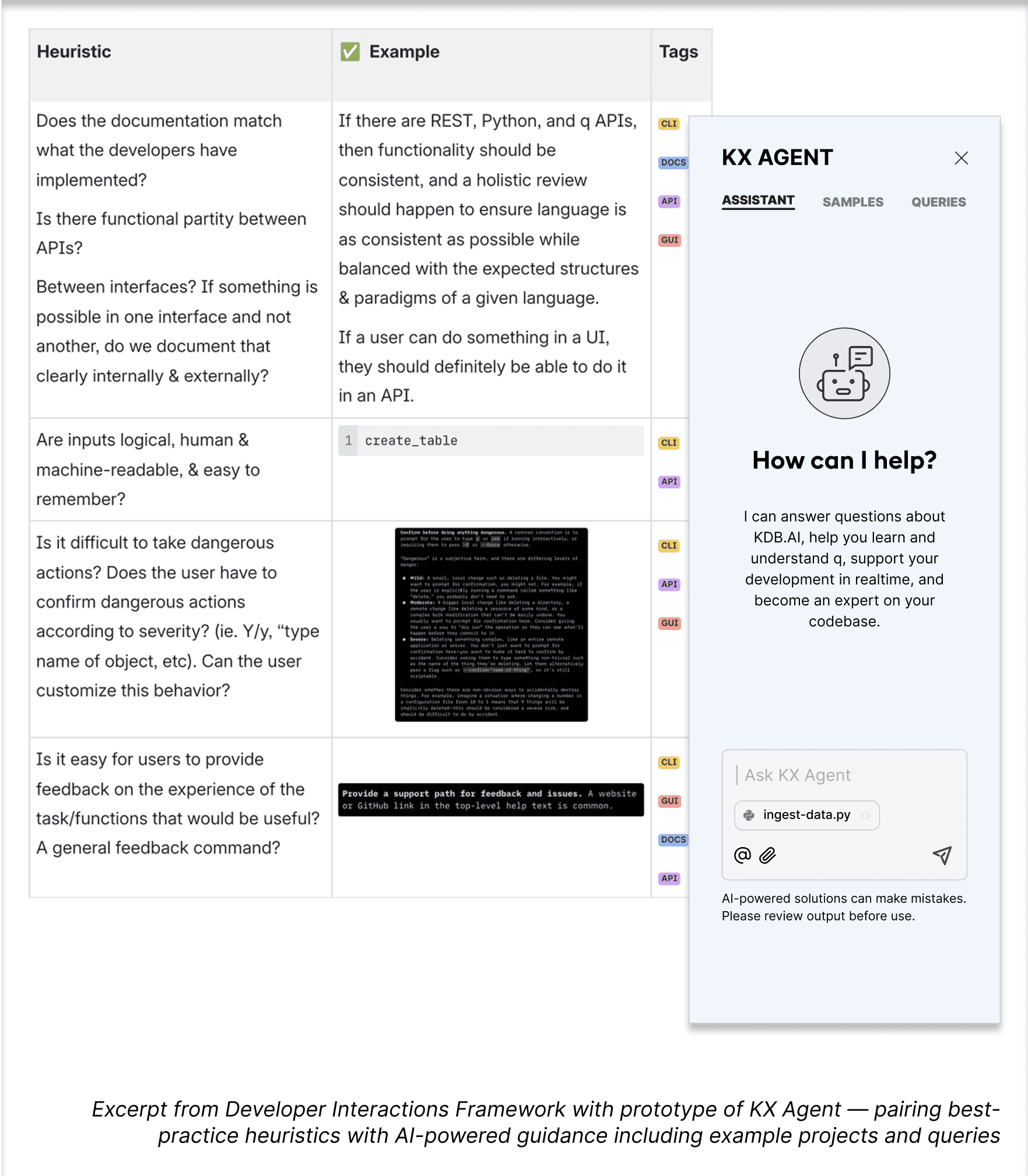
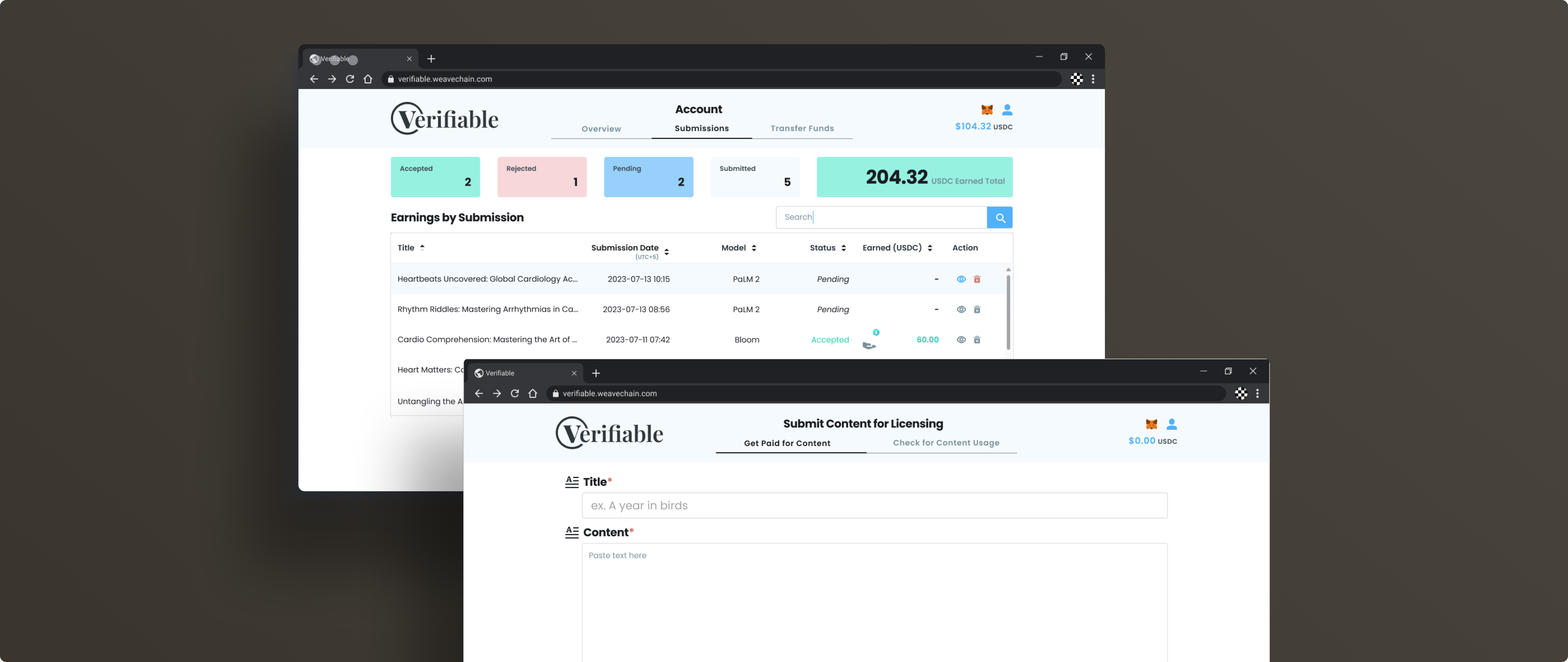
Excerpt from Developer Interactions Framework with prototype of KX Agent. Pairs best-practice heuristics with AI-powered guidance including example projects and queries.
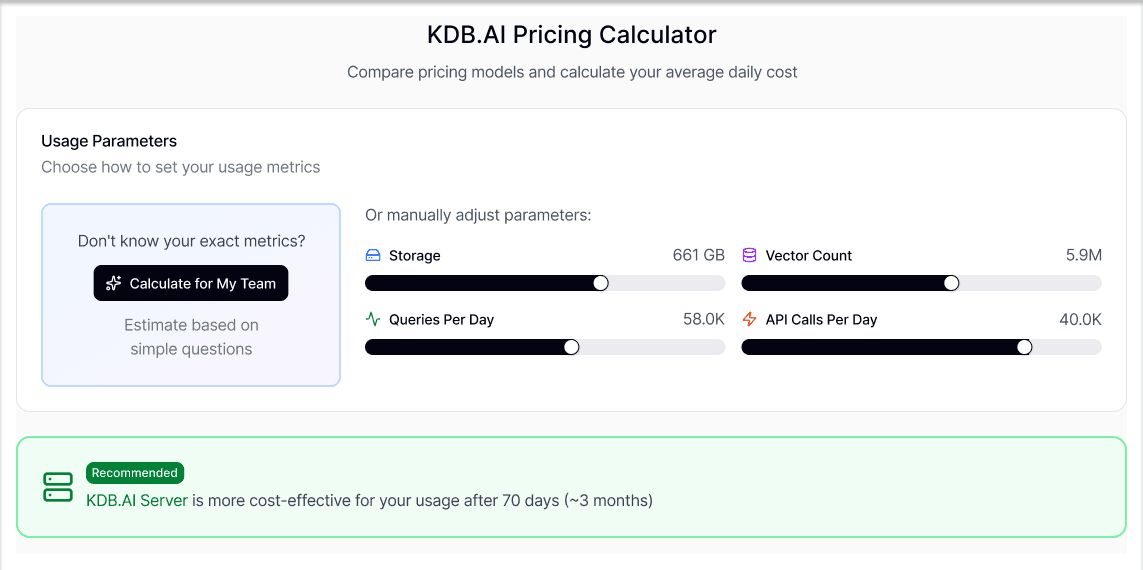
Dynamic pricing calculator wireframe. Telemetry-driven tier recommendation.
Impact
+19% activation rate by reducing time-to-value
Developer Interactions Framework adopted company-wide
Reduced support escalations through self-serve guidance
Two validated personas directly shaped product roadmap priorities
What’s Next
The framework keeps scaling. Current work that builds on this foundation:
Pre-built workflow learning paths reflecting validated personas, so users can trial KDB.AI in role-specific ways
The Developer Interactions Framework extended across the broader KX product suite and into KDB-X
IDE-native q-assistant that meets developers where they actually write code, with guardrails optimized for q
Continuous validation through in-product feedback loops and the Developer Center, so personas evolve with real input
see also